logo
أرسل رسالة

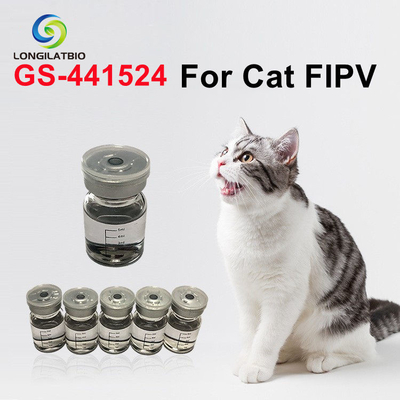
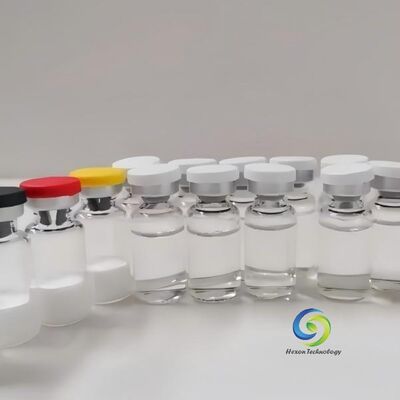
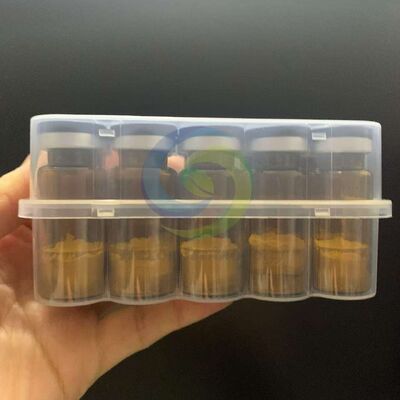
GS-441524 FIP Treatment Injection with 6ml, 8ml, 10ml Packaging and 20mg, 30mg Strength for Subcutaneous Injection

10 قوارير
MOQ
US$20/vial-US$30/vial
السعر
GS-441524 FIP Treatment Injection with 6ml, 8ml, 10ml Packaging and 20mg, 30mg Strength for Subcutaneous Injection
ميزات صالة عرض منتوج وصف طلب عرض أسعار
ميزات
مواصفات
التعبئة والتغليف: 6 مل، 8 مل، 10 مل
نموذج الجرعة: حقن
CAS: 1191237-69-0
طريق الإدارة: حقن تحت الجلد
بلد الصنع: الصين
قوة: 20 ملغ، 30 ملغ
اسم المنتج: ع-441524
وظيفة: العلاج لـ FIP القط
أصل: الصين
طريقة الشحن: FedEx/UPS/DHL
إبراز:

6ml, 8ml, 10ml Packaging GS-441524

,

8ml

,

10ml Packaging GS-441524

معلومات اساسية
مكان المنشأ: الصين
اسم العلامة التجارية: LongilatBio
شروط الدفع والشحن
تفاصيل التغليف: 10 قوارير / صندوق
وقت التسليم: 2-3 أيام
شروط الدفع: D/A ، D/P ، L/C ، T/T ، Western Union ، Moneygram
القدرة على العرض: 100000 قنينة في الشهر
منتوج وصف

Product Description 


Product Name GS-441524
Expiry Date 1 Year From The Date Of Manufacture
Storage Condition Room Temperature
CAS Number 1191237-69-0
Core Function Treatment For Cat FIP
Dosage Form Injection
Country of Manufacture China
Packaging Specs 6ml/vial, 8ml/vial, 10ml/vial
Active Strength 20mg, 30mg

GS-441524 is a nucleoside analog with specific antiviral activity against feline coronavirus (FCoV), the pathogen responsible for feline infectious peritonitis (FIP). Its mode of action targets the viral RNA-dependent RNA polymerase, a critical enzyme for FCoV to replicate and proliferate within feline host cells. As a structural analog of natural nucleosides, GS-441524 is selectively utilized by this viral enzyme during the synthesis of viral RNA. Once integrated into the nascent RNA chain, it lacks the necessary chemical groups to support further chain elongation, effectively terminating viral replication and preventing the production of new infectious viral particles.

As the primary bioactive metabolite of remdesivir, an antiviral prodrug, GS-441524 exhibits favorable pharmacokinetic properties in mammals, with a half-life of 24 hours. This long half-life ensures that the drug maintains a consistent and effective concentration in the cat’s body following administration, providing sustained antiviral inhibition. In FIP-infected cats, GS-441524 acts directly on FCoV-infected mononuclear phagocytes, the primary cell type targeted by the virus, reducing viral load and mitigating the excessive inflammatory response and tissue damage triggered by viral infection. This allows the cat’s immune system to recover its normal antiviral capacity and gradually eliminate the virus from the body.

About Feline Infectious Peritonitis (FIP)


Feline Infectious Peritonitis (FIP) is a severe, systemic viral disease that is nearly always fatal in domestic cats if left untreated, caused by the mutation of virulent strains of feline coronavirus (FCoV). FCoV is highly prevalent in cat populations worldwide, with transmission primarily occurring via the fecal-oral route. Contaminated litter boxes, food and water bowls, and direct contact with infected cats are the main sources of transmission, with the virus surviving on environmental surfaces for extended periods, increasing infection risk in multi-cat settings such as catteries, shelters, and multi-cat households.

Most cats infected with FCoV remain asymptomatic or develop only mild intestinal signs, as their healthy immune systems can restrict the virus to the gastrointestinal tract and prevent systemic spread. FIP develops only when a cat’s immune function is compromised—this is most common in young kittens (6-12 weeks old), geriatric cats, or cats with underlying health conditions or chronic stress. In these immunocompromised cats, FCoV undergoes genetic mutations that allow it to escape intestinal mucosal immunity, invade the mononuclear phagocyte system, and spread systemically via the bloodstream, leading to widespread tissue damage and the development of FIP.
GS-441524 FIP Treatment Injection with 6ml, 8ml, 10ml Packaging and 20mg, 30mg Strength for Subcutaneous Injection 0

Clinically, FIP is categorized into two primary forms: effusive (wet) and non-effusive (dry). Effusive FIP accounts for approximately 70% of cases and is marked by the accumulation of a thick, yellowish exudate in the abdominal cavity, thoracic cavity, or both, causing abdominal distension, difficulty breathing, and weight loss. Non-effusive FIP is characterized by granulomatous lesions in multiple organs, including the liver, kidneys, spleen, and lymph nodes, with symptoms varying based on the organs affected—common signs include persistent fever, lethargy, loss of appetite, and jaundice. Ocular and neurological involvement is also common in dry FIP, presenting as uveitis, ataxia, seizures, or vision loss.

Diagnosing FIP is notoriously difficult due to the non-specific nature of its clinical signs and laboratory results. A preliminary diagnosis is typically made through a combination of epidemiological history, clinical examination, blood work (elevated gamma globulins, hypoalbuminemia, lymphopenia), and imaging (ultrasound showing abdominal effusion or organ granulomas). For effusive FIP, analysis of abdominal or thoracic fluid—showing high protein content, low nucleated cell count, and positive FCoV nucleic acid detection—provides strong diagnostic evidence. Histopathological examination of tissue samples remains the gold standard for definitive diagnosis. Currently, there is no universally effective FIP vaccine, and prevention focuses on reducing FCoV exposure, minimizing stress, and supporting immune health in cats.

Application and Dosage of GS-441524


GS-441524 is an antiviral agent used off-label in veterinary clinical practice for the treatment of feline infectious peritonitis, with proven efficacy against both effusive and non-effusive forms of the disease. The drug is formulated as an injectable solution, suitable for subcutaneous or intraperitoneal administration in cats, and its dosage is tailored to the individual cat’s needs based on body weight, FIP form, and the presence of complications such as ocular or neurological involvement.

Veterinarians may adjust the dosage and treatment course based on the cat’s clinical response, including symptom improvement, viral load reduction, and weight gain. Consistent, standardized administration is critical to achieving optimal therapeutic outcomes and reducing the risk of disease recurrence.

Recommended Dosage Regimen:


  • FIP (Wet type): 0.3ml/kg of body weight + 0.1ml residue, injectable administration
  • FIP (Dry type): 0.4ml/kg of body weight + 0.1ml residue, injectable administration
  • FIP with ocular/neurological involvement: 0.5ml/kg of body weight + 0.1ml residue, injectable administration
  • Recurrent FIP cases: 0.6ml/kg of body weight + 0.1ml residue, injectable administration
المنتجات الموصى بها
ابق على تواصل معنا
اتصل شخص : Mrs. Nancylee
الهاتف : : +86 15508667508
الأحرف المتبقية(20/3000)