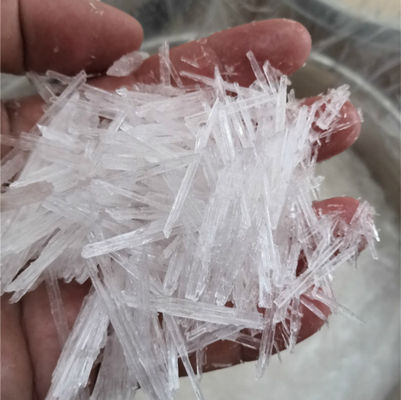
مقدمة المنتج
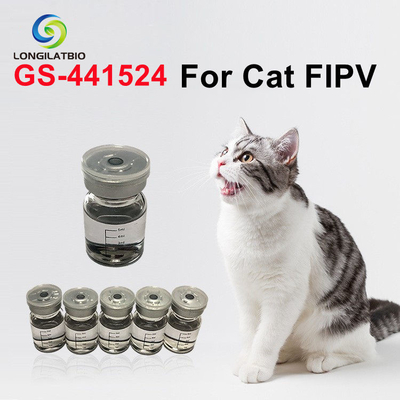
GS-441524 هو مركب مضاد للفيروسات النوع النووي الذي يشار إليه عادةً في البروتوكولات المضادة للفيروسات البيطرية المرتبطة بالتهاب البريتونيت المعدي لدى القطط (FIP).مع استمرار تطوير طرق العلاج لـ FIP، أصبحت صيغ الأقراص الفموية خيارًا مهمًا للقطط التي تتطلب إدارة مضادة للفيروسات لفترة طويلة.
هذا المنتج يحتوي على20mg GS-441524 لكل قرصومصممة لإعطاءها عن طريق الفم في بيئات الرعاية البيطرية.يمكن أن توفر الأقراص طريقة إعطاء أكثر ملاءمة لمقدمي الرعاية الذين يديرون جداول العلاج الممتدة.
التهاب البريتونيت المعدي للقطط ينشأ من طفرات في فيروس كورونا القطط داخل جسم القطط. بمجرد أن ينتشر الفيروس المتحول من خلال الخلايا المناعية،التهاب الجهاز قد يحدث في الأعضاء مثل الكبدالكلى والبطن والعيون والجهاز العصبي لأن المرض قد يظهر بشكل مختلف من قطة إلى أخرىيتم تعديل بروتوكولات العلاج حسب وزن الجسم والأعراض السريرية.
قوة قرص 20 ملغ توفر تحكمًا مرنًا في الجرعة ، خاصة للقطط الصغيرة ، أو القطط ، أو الحالات التي يفضل فيها تعديل الجرعة تدريجياً.يتم تصنيع المنتج بموجب معايير إنتاج خاضعة للرقابة ويتم تعبئته للتخزين والنقل المستقرين.
مواصفات المنتج
| المعلم |
تفاصيل |
| اسم المنتج |
GS-441524 أقراص |
| المكون النشط |
GS-441524 |
| القوة |
20 ملغ لكل قرص |
| شكل الجرعة |
أقراص الفم |
| الاستخدام المقصود |
دعم FIP القط |
| حالة التخزين |
درجة حرارة الغرفة |
| مدة الصلاحية |
12 شهراً |
| بلد التصنيع |
الصين |
تتضمن كل حزمة معلومات عن مجموعة التصنيع وتسمية انتهاء الصلاحية لأغراض التتبع.

فهم التهاب البريتونيت المعدي لدى القطط
يعتبر FIP أحد أخطر الأمراض المعدية التي تؤثر على القطط. ينشأ من فيروس كورونا القطط (FCoV) ، والذي يكون موجودًا بشكل شائع في بيئات متعددة القطط.في حين أن العديد من القطط المصابة بفيروس كورونا من القطط تظهر أعراض خفيفة أو معدومة، يمكن أن يؤدي الطفرة الفيروسية في بعض الأحيان إلى مرض منتظم.
الطب البيطري عموماً يصنف FIP إلى أشكال سريرية متعددة.
FIP الرطب
غالبًا ما يرتبط FIP الرطب بتراكم السوائل في البطن أو تجويف الصدر. قد تظهر القطط علامات مثل تورم البطن أو انخفاض الشهية أو صعوبة التنفس.
FIP الجاف
عادة ما تؤثر الفيروسات الجافة على الأعضاء الداخلية دون تراكم السوائل الواضح. قد تتطور الأعراض تدريجياً و تختلف بين المرضى.
FIP العينية
قد تشمل إصابة العين التهابًا أو تغير لون القزحية أو اضطرابات في البصر.
الـ FIP العصبي
قد تؤثر الأشكال العصبية على التنسيق والتوازن ووظيفة الجهاز العصبي.
لأن العروض السريرية تختلف اختلافًا كبيرًا ، يتم تعديل خطط الجرعات المضادة للفيروسات عادةً وفقًا لحدة المرض ووزن الجسم.
فوائد صياغة 20mg للكبسولات
تعديل جرعة مرن
الـأقراص قوة 20 ملغيسمح بتعديل أسهل للقطط التي تتطلب كمية أقل من مضادات الفيروسات يوميا. قد يكون هذا مفيدًا بشكل خاص لمجموعات أقل من وزن الجسم.
تناول الفم بسهولة
Tقد يقلل من الإجهاد المرتبط بالحقن المتكررة، وخاصة خلال دورات العلاج طويلة الأمد.
مناسبة لبرامج الصيانة
أوهوغالباً ما يتم النظر في تركيبات الرال خلال مراحل الاستقرار أو الحفاظ على برامج العلاج المضاد للفيروسات.
جودة التصنيع المتسقة
يتم إنتاج كل دفعة بموجب إجراءات تصنيع خاضعة للرقابة للمساعدة في الحفاظ على جودة الأقراص المستقرة ومستوى مكوناتها.
ظروف تخزين عملية
تم تصميم الأقراص لتخزينها في درجة حرارة الغرفة، مما يسهل النقل والتعامل معها بشكل روتيني.
اعتبارات الجرعة العامة
عادةً ما يتم تحديد جرعة قرص GS- 441524 حسب وزن الجسم والنوع السريري من FIP المعني.
يمكن أن تشمل اعتبارات المعاملة العامة:
| نوع FIP |
النظر في الجرعة |
| FIP الرطب |
الدعم الفموي المعتاد ضد الفيروسات |
| FIP الجاف |
قد تكون هناك حاجة لتعديل جرعة معتدل |
| FIP العينية |
يمكن النظر في زيادة بروتوكولات الدعم |
| الـ FIP العصبي |
قد تكون هناك حاجة لتغطية مضادة للفيروسات أعلى |
| حالات الانتكاس |
المراقبة المستمرة ومراجعة الجرعات |
يجب تقييم مدة العلاج وتعديلات البروتوكول وفقا للإشراف البيطري والاستجابة السريرية.
بيئات الاستخدام المعتادة
العيادات البيطرية
يمكن للأطباء البيطريين تضمين أقراص GS-441524 الفموية كجزء من خطط إدارة FIP المنظمة.
مرافق إنقاذ الحيوانات
يمكن لمجموعات الإنقاذ التي تعتني بالقطط الصغيرة أو الضعيفة استخدام الدعم المضاد للفيروسات عن طريق الفم خلال فترات إعادة التأهيل والمراقبة.
إدارة الرعاية المنزلية
بعض أصحاب القطط يفضلون الأقراص لأن الإعطاء عن طريق الفم قد يكون أسهل لإدارة أثناء العلاج اليومي.
بيئات التكاثر والعديد من القطط
تتطلب مرافق تربية مهنية في بعض الأحيان استراتيجيات إدارة مضادة للفيروسات عندما تؤثر الأمراض المعدية على مجموعات القطط.
التخزين والتعامل
للحفاظ على جودة المنتج واستقراره:
- تخزين في مكان جاف في درجة حرارة الغرفة
- احتفظ بالأقراص المغلقة في العبوة الأصلية
- تجنب أشعة الشمس المباشرة والرطوبة المفرطة
- ابق بعيداً عن البيئات ذات درجات الحرارة العالية
تحت الظروف الموصى بها تبقى الأقراص مستقرة لمدة تصل إلى12 شهراً من تاريخ التصنيع.
معلومات عن العبوة
يتم تعبئة أقراص GS-441524 بـ 20 ملغ لإمدادات بيطرية وبرامج إدارة مضادات الفيروسات للقطط. يتم استخدام عبوة واقية أثناء النقل للحفاظ على سلامة القرص.
تشمل قنوات التوريد المشتركة:
- العيادات البيطرية
- مستشفيات الحيوانات
- الموزعين البيطريين
- منظمات إنقاذ القطط ومرافق رعاية القطط


 يجب أن تكون رسالتك بين 20-3000 حرف!